Blog
St. George Travel Guide 2026
Your complete guide to visiting St. George, Utah — national parks, state parks, golf, dining, and where to stay. Updated for 2026 with current shuttle schedules, entry fees, and seasonal tips.
Author
Alethea Holland
Published
Category
Guide

Author
Alethea Holland
Alethea is the operator of the family businesses, and the one you'll chat with if you have any questions about staying in a Verity Property. She keeps this train rolling.
Ready to book a vacation rental of your own?
Whether its an adventure in Southern Utah's red rocks, or relaxing at the beach in Mexico, we've got you covered.
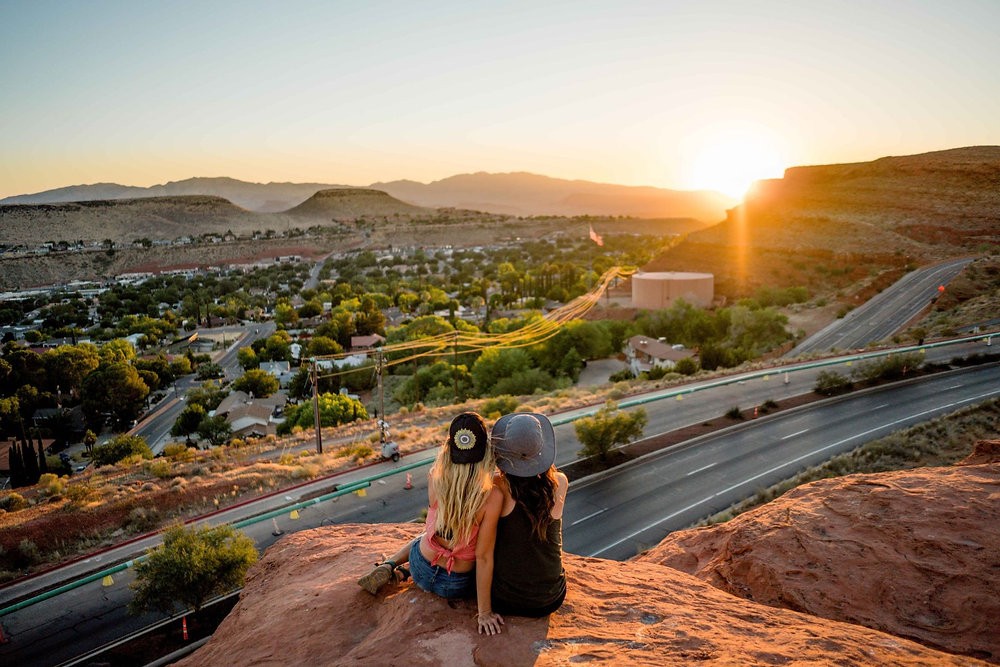
St. George sits in the southwest corner of Utah, where the Mojave Desert meets the Colorado Plateau. The result is a landscape of red rock cliffs, black lava fields, and sandstone canyons — all under some of the most reliably blue skies in the American West. The Greater Zion area (Washington County) draws an estimated 8 to 10 million visitors per year, making it one of the highest per-capita tourism areas in the country. St. George is the hub: the hotels, the restaurants, the airport, and the vast majority of the vacation rentals.
This guide covers everything you need to plan a trip: when to go, where to stay, what to do, and how to get the most out of Southern Utah without overcomplicating your itinerary.
When to Go
Peak season (March–May and September–November): The best weather for hiking and outdoor activities. Daytime highs in the 70s–80s°F, cool nights, virtually no rain. Spring and fall are when Zion, Snow Canyon, and Sand Hollow are at their best. Book vacation rentals 60+ days in advance for peak weekends (Easter, fall break, Ironman triathlon).
Summer (June–August): Hot — daytime highs frequently exceed 100°F. But nightly rates drop 20–40%, crowds thin at local parks (though Zion stays packed), and if your rental has a pool, summer is very doable. Early morning hikes beat the heat.
Winter (December–February): Mild compared to the rest of Utah — daytime highs in the 50s–60s°F, rare snow. This is snowbird season; many visitors book monthly rentals from November through March. Zion is gorgeous in winter with fewer crowds and occasional dustings of snow on the canyon rims.
Where to Stay
St. George has several distinct areas for vacation rentals:
Desert Color / The Shores Resort: Newest community, lagoon, resort pools, family-focused. Best for families and large groups.
Coral Canyon: Borders Snow Canyon State Park, championship golf, mountain views. Best for hikers and golfers.
Entrada at Snow Canyon: Gated luxury community with private golf course. Best for special occasions and luxury travelers.
Paradise Village: Waterpark-style pool complex, spacious homes. Best for families.
Downtown: Walkable to restaurants, arts, and historic sites. Best for couples and culture seekers.
Green Valley / Bloomington: Quiet, residential, spa access. Best for couples and snowbirds.
For a full breakdown with pricing and park proximity, read our St. George area guide or our deep-dive on where to stay by trip type. Not sure if St. George or Moab is the right base for your trip? See our St. George vs. Moab comparison.
Getting There and Getting Around
By air: St. George Regional Airport (SGU) has direct flights from Denver, Salt Lake City, Phoenix, and Los Angeles (carriers vary by season). Las Vegas (LAS) is 2 hours south and often has cheaper fares — many visitors fly into Vegas and drive up through the Virgin River Gorge.
By car: You need a car in St. George. The city is spread out, and all trailheads and parks require driving. Parking is free almost everywhere. The drive from Salt Lake City is 4.5 hours via I-15 south.
From Las Vegas: The 120-mile drive from Las Vegas to St. George takes about 2 hours on I-15 north. It's one of the most scenic interstate stretches in the West, passing through the Virgin River Gorge.
Top Things to Do
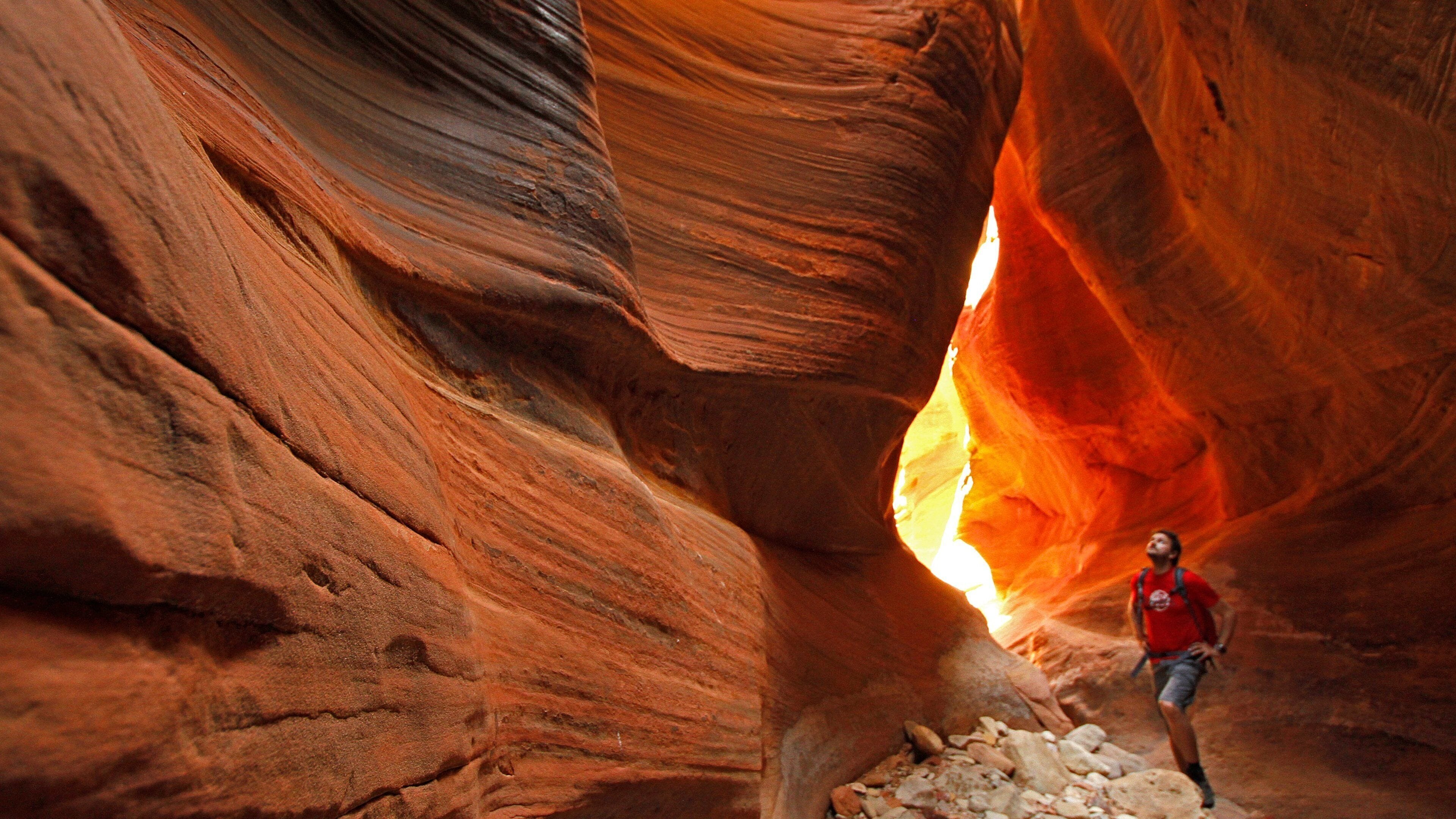
Zion National Park. Utah's most-visited national park is 45 minutes from St. George. The main canyon, accessed via the Zion Canyon Scenic Drive (shuttle required March–November), features Angels Landing, The Narrows, and Emerald Pools. The shuttle is free and runs every 5–10 minutes — no reservation needed. Read our full Zion visitor guide for hike details and planning tips.
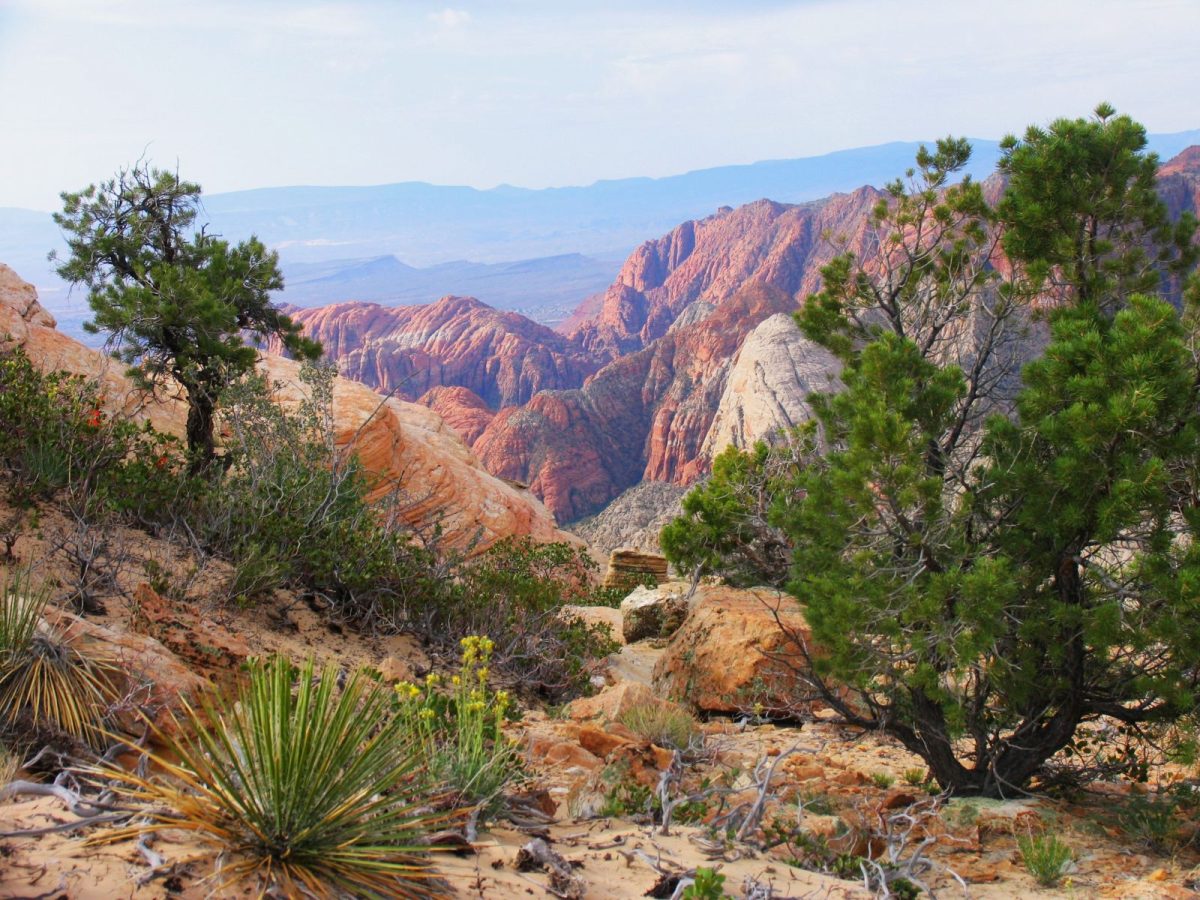
Snow Canyon State Park. Only 15 minutes from downtown St. George, Snow Canyon is the locals' favorite. Red and white Navajo sandstone formations, lava tubes, sand dunes, and well-maintained trails ranging from easy (Johnson Canyon) to moderate (Petrified Dunes). No reservation required. Many visitors prefer it to Zion for the lack of crowds.
Sand Hollow State Park. Utah's most-visited state park (1.4 million visitors in 2023) is 15 minutes south of St. George. The reservoir offers boating, kayaking, swimming, and fishing. The surrounding dunes are open for ATV and off-road driving — a unique experience you won't find at the national parks.
Golf. St. George has over a dozen courses playable year-round, from municipal tracks to nationally ranked destination courses. Highlights include Entrada at Snow Canyon (private, guest access available), Sand Hollow Championship Course (public, stunning desert setting), and The Ledges (public, panoramic views).
Tuacahn Amphitheatre. An outdoor Broadway-quality theater carved into the red rock canyons near Snow Canyon. The season runs from spring through fall with rotating musicals — it's genuinely world-class and unlike anything you'll find elsewhere in the region.
Dinosaur Discovery Site at Johnson Farm. A museum built around one of the best-preserved collections of Jurassic dinosaur tracks in the world. Great for families, especially kids interested in paleontology.
St. George Marathon and Ironman. If your trip coincides with the St. George Marathon (October) or the Ironman 70.3 (May), book well in advance — both events fill hotels and vacation rentals across the region.
Day Trips From St. George
Bryce Canyon National Park: 2.5 hours northeast. Famous for its hoodoo rock formations — completely different from Zion's canyon scenery.
Grand Canyon North Rim: 3.5 hours southeast. Open May–October. Far less crowded than the South Rim and arguably more dramatic.
Valley of Fire State Park (Nevada): 1.5 hours southwest. Stunning red sandstone formations, petroglyphs, and easy hiking. A less-visited gem.
Kanab / Grand Staircase-Escalante: 1.5 hours east. The gateway to some of Utah's most remote and photogenic landscape.
Note: Arches National Park and Canyonlands (near Moab) are 4.5+ hours from St. George — too far for a comfortable day trip. If those parks are on your list, plan a separate stay in Moab. See our Moab neighborhood guide for details.
Practical Tips
Altitude and sun: St. George sits at about 2,860 feet — not high enough for altitude sickness, but high enough that the sun hits harder than you expect. Wear sunscreen, bring a hat, and drink more water than you think you need.
Water: Tap water is safe to drink. Bring refillable water bottles to trailheads — most parks have filling stations.
Cell service: Coverage is strong in town and along I-15. It gets spotty in canyons and backcountry areas, including parts of Zion (especially The Narrows).
Groceries: Multiple grocery stores in town (Smith's, Harmons, WinCo). Stock up before heading to Zion or the parks — options in Springdale are limited and expensive.
Tipping: Standard U.S. tipping norms apply — 15–20% at restaurants.
Plan Your Trip
Browse Verity Rentals' full collection to find vacation homes across St. George and beyond. Explore all of our neighborhood guides to compare destinations.
Other Blogs